Navigating the world of hearing support can feel overwhelming, especially if you are beginning your journey toward better hearing for the first time. A hearing aid purchase is more than simply choosing a device—it is an investment in your comfort, communication, and long-term well-being. With countless models, features, styles, and price points available, many people feel uncertain about where to begin. The good news is that understanding the essential steps can make the process smooth, informed, and empowering.
The first stage in a hearing aid purchase is acknowledging the signs of hearing difficulty 助聽器購買. You might find yourself turning up the television, asking people to repeat themselves, or struggling to follow conversations in noisy places. These situations can be frustrating, but they are also indicators that professional evaluation may be beneficial. Scheduling a hearing test with a licensed audiologist not only confirms your hearing levels but also helps determine the type of device that will best support your specific needs.
Once hearing loss is identified, the next step is education. Modern hearing aids are vastly different from the bulky devices of the past. Today’s technology includes miniaturized components, digital sound processing, rechargeable batteries, Bluetooth connectivity, and customizable programs for various listening environments. Understanding what these features mean during a hearing aid purchase can help you select a device that complements your daily routine. For example, someone who attends frequent meetings may benefit from advanced speech-enhancement technology, while someone who enjoys outdoor activities may prefer adaptive noise-reduction features.
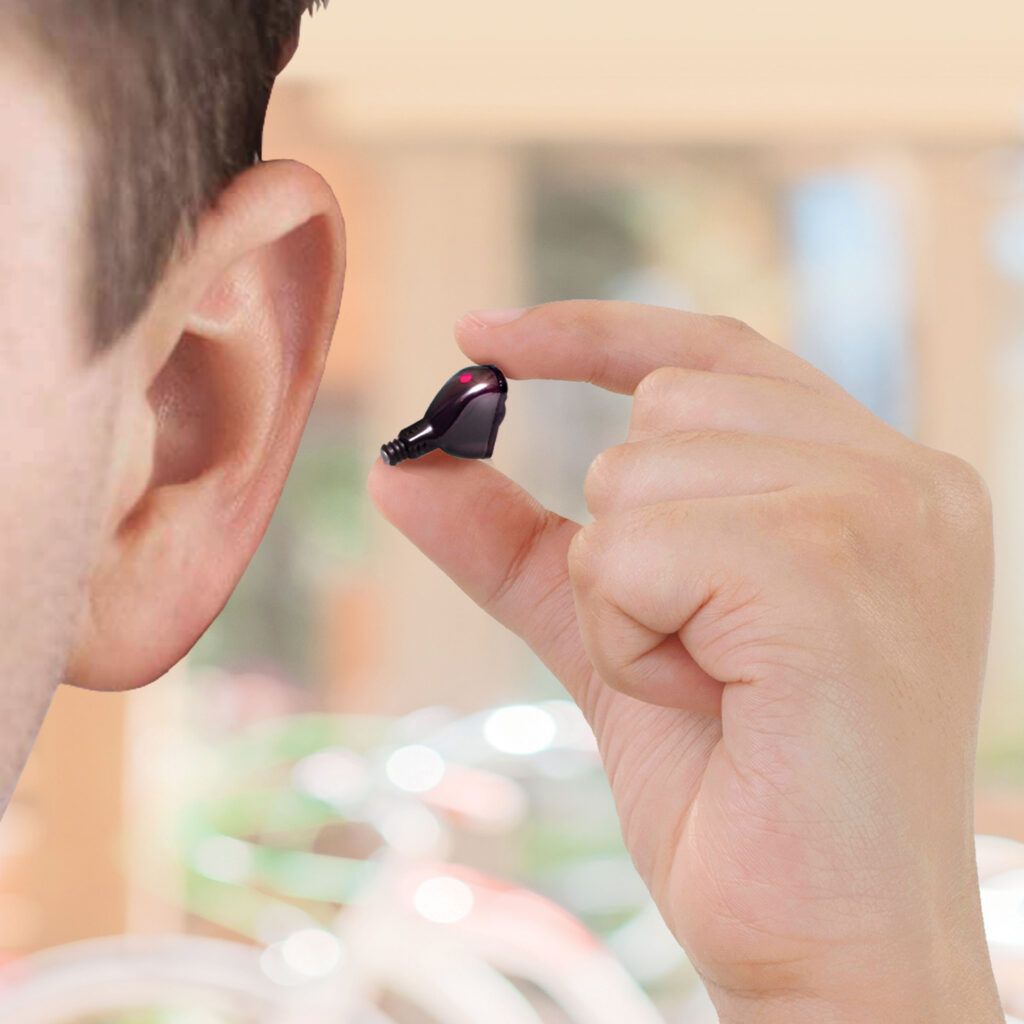
Another important consideration during a hearing aid purchase is comfort and style. Hearing aids come in several designs: behind-the-ear, receiver-in-canal, completely-in-canal, and other discreet options. Each style offers advantages. Some users prioritize invisibility, while others prefer devices that are easier to handle and maintain. It is helpful to try different models during your fitting appointment to determine which shape and size feel most natural. Comfort encourages consistent daily use, which is essential for long-term improvement.
Budget is also a major factor. Hearing aid prices can vary widely, depending on technology level, brand, and included services. Instead of focusing solely on cost, it is wiser to evaluate value. A reliable hearing aid purchase should include follow-up appointments, adjustments, cleanings, and warranty coverage. The support provided by your audiologist is often just as important as the device itself. Many clinics offer payment plans, insurance assistance, or financing to make the process more accessible, so do not hesitate to ask about available options.
During the evaluation and selection process, communication with your hearing specialist is key. Be honest about your lifestyle, challenges, hobbies, and budget. This information helps your provider recommend the most suitable solution. A quality hearing aid purchase should feel personal, not generic. Your device should match the environments you spend the most time in—whether quiet rooms, bustling workplaces, or active outdoor settings.
After choosing the right model, the fitting appointment is where everything comes together. Your audiologist will fine-tune the device’s settings to match the exact shape of your hearing loss. They will also show you how to insert the hearing aid, charge or change batteries, clean the device, and use its features confidently. This appointment is crucial because even the most advanced hearing aid will not deliver its full potential without proper adjustment.
The period after your hearing aid purchase is just as important as the selection process. New users sometimes need time to adjust. Sounds may seem unfamiliar or unusually sharp at first, especially if you have lived with gradual hearing loss for many years. Consistent use helps your brain adapt to the restored sound range. Follow-up visits allow your audiologist to continue refining the device settings based on your feedback. Patience and communication are essential during this adjustment phase.
Long-term care should also be part of your hearing aid strategy. Proper cleaning, safe storage, and regular check-ups can significantly extend the lifespan of your device. Many modern hearing aids offer mobile apps where you can control volume, switch programs, and track battery life. These tools make daily use easier and more intuitive. A thoughtful approach to maintenance ensures that the investment made during your hearing aid purchase continues to deliver dependable performance.
It is also worth recognizing the emotional and social benefits that come with improved hearing. Many people report renewed confidence in conversations, greater enjoyment of music, and deeper connection with family and friends. The right hearing aid purchase can reduce feelings of isolation and make everyday interactions more enjoyable. Clear communication supports mental well-being, strengthens relationships, and enriches everyday experiences.
In addition, hearing aids play a meaningful role in cognitive health. Research shows that untreated hearing loss can contribute to mental fatigue, reduced concentration, and even increased risk of cognitive decline over time. By acting early and making a thoughtful hearing aid purchase, you take a proactive step that supports not just your hearing but your long-term brain health.
Finally, remember that this journey is highly personal. There is no universal “best” hearing aid—only the best one for you. Take your time to explore your options, ask questions, and trust professional guidance. Your comfort and satisfaction matter, and a good hearing specialist will help you feel supported at every stage. With the right approach, a hearing aid purchase becomes a positive, life-enhancing decision rather than a confusing challenge.