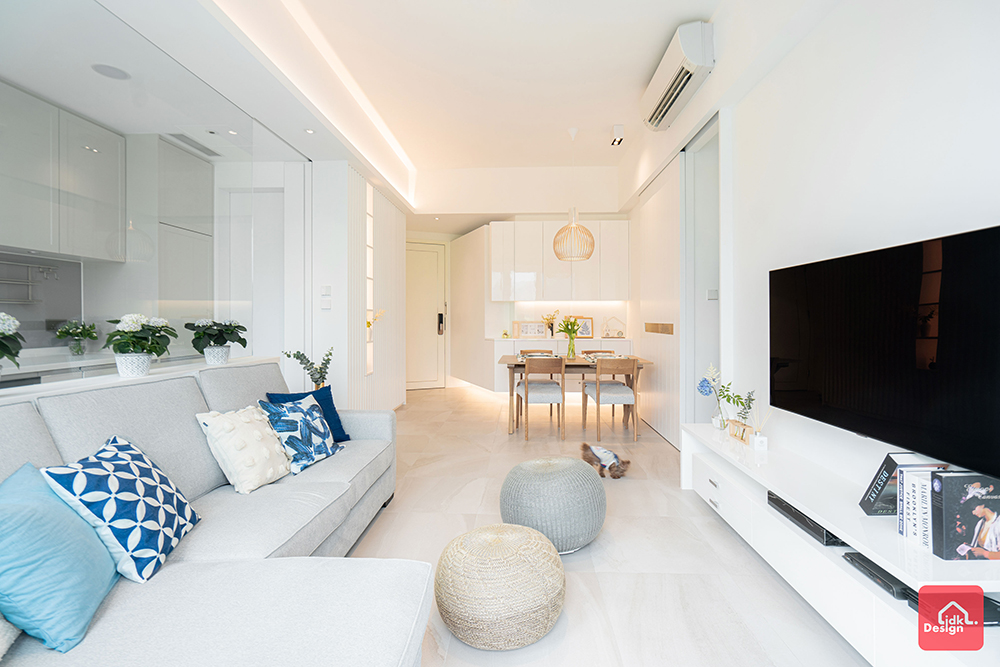
A renovation project represents more than just structural changes to a building; it is an opportunity to reimagine, revitalize, and personalize a living or working space. Whether it involves updating an outdated kitchen, expanding a living area, or completely transforming a property, a renovation project allows homeowners and businesses to align their spaces with their current needs, tastes, and lifestyle. The process is both creative and practical, combining design vision with careful planning, budgeting, and execution to achieve spaces that are functional, aesthetically pleasing, and enduring.
The first step in any renovation project is careful planning 裝修工程. This stage involves identifying the goals of the project, the areas of the property that require attention, and the desired outcomes. Homeowners may want to improve energy efficiency, increase storage, modernize aesthetics, or enhance comfort and safety. Commercial clients might focus on maximizing functionality, creating a more inviting environment for clients, or improving staff productivity. By defining clear objectives early on, a renovation project can proceed with direction, minimizing costly mistakes or misaligned decisions during construction.
Budgeting is a critical component of a successful renovation project. Renovations can be expensive, and unexpected costs often arise during construction. A well-thought-out budget accounts for materials, labor, permits, and potential contingencies. Prioritizing expenditures and setting realistic expectations ensures that the renovation project remains financially manageable while achieving its goals. Many homeowners and project managers find that allocating a portion of the budget for unforeseen challenges is essential for maintaining progress without compromising quality or vision.
Design is at the heart of a renovation project. Modern renovations often incorporate a combination of aesthetics, functionality, and sustainability. Interior layouts may be reconfigured to optimize space, improve flow, or create open-plan environments. Color schemes, textures, and materials are selected to reflect personal style while enhancing the overall appeal and harmony of the space. Sustainable design elements, such as energy-efficient appliances, eco-friendly materials, and improved insulation, not only benefit the environment but also reduce long-term operational costs. Thoughtful design ensures that the renovation project results in a space that is both beautiful and practical.
Structural assessments are another essential aspect of a renovation project. Before any demolition or construction begins, professionals must evaluate the integrity of the property. This includes checking foundations, load-bearing walls, plumbing systems, and electrical infrastructure. Identifying potential issues early prevents safety hazards and allows for informed decision-making about necessary repairs or upgrades. Ensuring that the structure is sound is a fundamental step that supports the longevity and success of the renovation project.
During the renovation project, project management plays a crucial role in coordinating the various tasks, contractors, and timelines. Effective management ensures that each phase of the project—from demolition and construction to finishing touches—is completed efficiently and to a high standard. Clear communication between designers, contractors, and clients is essential to address any challenges promptly, maintain quality control, and keep the project on schedule. A well-managed renovation project reduces stress, minimizes delays, and maximizes the likelihood of achieving the desired outcome.
Material selection is another vital consideration in a renovation project. Choosing the right materials affects both the appearance and durability of the space. High-quality materials contribute to longevity, ease of maintenance, and overall satisfaction with the finished project. Depending on the design goals, homeowners may select a combination of natural materials, such as wood and stone, alongside modern options like engineered surfaces and sustainable composites. Thoughtful material choices ensure that the renovation project is visually appealing, functional, and built to last.
In addition to aesthetics and functionality, a successful renovation project must consider energy efficiency and sustainability. Upgrading insulation, installing energy-efficient lighting, or incorporating smart home systems can dramatically reduce utility costs and environmental impact. Many modern renovation projects also include water-saving fixtures, solar panels, or improved heating and cooling systems to create more sustainable, eco-friendly spaces. Sustainability not only benefits the planet but also adds value to the property and enhances the comfort and convenience of everyday living.
Safety and compliance are critical aspects of any renovation project. Building codes, permits, and regulations must be adhered to throughout the process. Engaging licensed professionals ensures that all structural changes, electrical work, and plumbing modifications meet legal standards and safety requirements. Compliance reduces the risk of accidents, legal complications, and costly rework, allowing the renovation project to progress smoothly and confidently.
A renovation project often includes upgrades that improve both comfort and lifestyle. For example, modern kitchens may be designed with ergonomic layouts, smart appliances, and ample storage. Bathrooms may be transformed into spa-like retreats with high-quality fixtures, heated flooring, and efficient water systems. Living areas can be optimized for social gatherings, relaxation, or entertainment with careful attention to lighting, furniture placement, and acoustics. Outdoor spaces may also be incorporated into the renovation project, creating seamless transitions between interior and exterior living areas. These upgrades enhance quality of life while increasing the functionality and appeal of the property.
Renovation projects also provide opportunities for personalization. Homeowners can infuse their spaces with unique touches that reflect their tastes, hobbies, and lifestyle preferences. Custom cabinetry, built-in shelving, accent walls, and bespoke furnishings allow for individuality while maintaining a cohesive design. Personalization ensures that the renovated space is not only functional and beautiful but also deeply meaningful to its occupants.
Technology integration has become an increasingly important aspect of modern renovation projects. Smart home systems, automated lighting, climate control, security solutions, and home entertainment systems can be seamlessly incorporated into the design. These technological upgrades enhance convenience, improve energy efficiency, and add modern functionality to the renovated property. Integrating technology thoughtfully ensures that the space remains aesthetically pleasing while offering the benefits of modern living.
Another consideration in a renovation project is future-proofing. Renovations should not only meet current needs but also anticipate future requirements. This includes designing spaces that can adapt to changing family dynamics, lifestyle shifts, or technological advancements. Flexible layouts, multifunctional rooms, and scalable systems help ensure that the renovation remains relevant and practical for years to come. Planning for the future adds long-term value to the property and ensures that the investment remains worthwhile.
Ultimately, a renovation project is a complex but rewarding endeavor. It requires careful planning, skilled execution, and creative vision to transform a property into a space that is functional, beautiful, and aligned with the occupants’ needs. When approached thoughtfully, a renovation project enhances daily living, improves property value, and reflects the unique style and personality of the homeowner.